The Midnight Rescue That Changed Everything
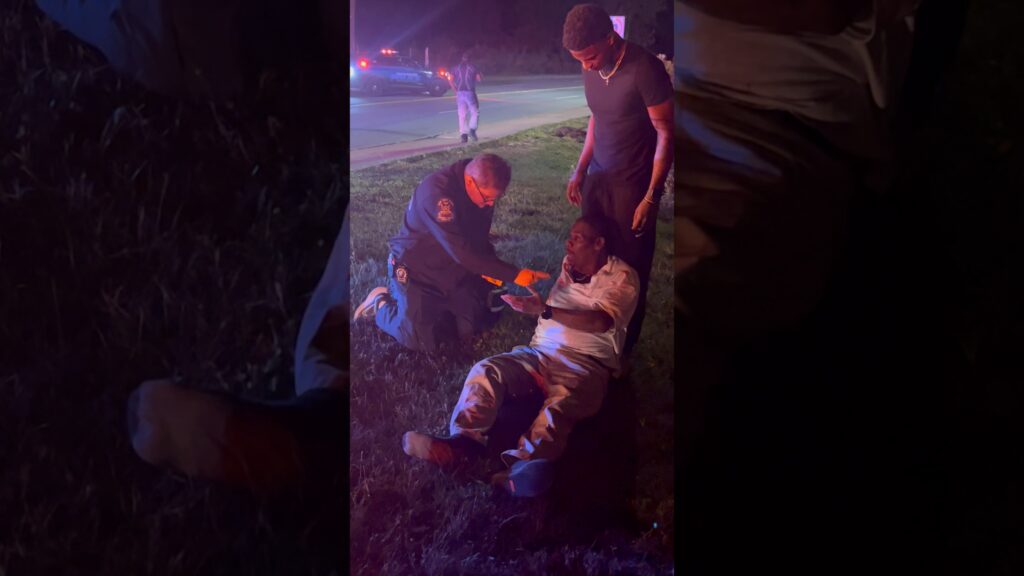
It was nearly midnight at the top of a remote mountain. The air was cold, the road was dark, and David Denton was trapped inside a mangled vehicle entangled in live electrical wires. The clock was ticking, and every second mattered.
The most shocking part? Help was only 352 yards away.
A local fire station sat just down the road, but because it was a volunteer department in a rural district, the station was empty. While bystanders called 911, the volunteers were miles away in their own beds. By the time they could have geared up and arrived, it would have been too late.
We didn’t wait. We moved. We pulled David from that wreckage because we happened to be there—but a human life should never depend on “happening to be there.”
The Rural Reality: A National Crisis
The Larry Pickett Foundation was born out of that midnight rescue. We realized that what happened on that mountain wasn’t an accident—it’s a systemic failure. Millions of Americans living in rural communities are protected by heroes who lack the tools and the 24/7 staffing of big-city departments.
The data from the National Fire Protection Association (NFPA) tells a staggering story:
The Response Gap: Rural emergency response times average 14 minutes—twice as long as urban centers. In high-acuity trauma cases, rural patients wait an average of 97 minutes for hospital arrival.
The Equipment Gap: Nearly 72% of rural departments are forced to use protective gear and breathing apparatuses that are over 10 years old, exceeding safe industry standards.
The Funding Gap: With the cost of a single fire engine doubling to nearly $800,000, small-town tax bases simply cannot keep up. Every year, over 8,000 departments are denied federal grants, leaving them with zero budget for life-saving upgrades.
Our Mission: Lessening the Burden
We don’t just point out the problem; we provide the bridge. The Larry Pickett Foundation acts as the Payer of Last Resort for the departments and survivors that the system has left behind.
Through our Narrative Advocacy model, we tell the stories of these “Gaps” to a national audience, raising the funds necessary to provide Stabilization Grants that restore lives and equip stations.